
宏洛图教你如何选择品牌咨询与设计伙伴?理性视角下的专业参考
宏洛图教你如何选择品牌咨询与设计伙伴?理性视角下的专业参考
How to Choose a Brand Consulting and Design Partner in 2026? A Practical Guide
在品牌建设日益注重实效的2026年,企业对品牌服务的需求愈发清晰:既要策略深度,也要落地保障。面对市场信息繁杂的现状,本文结合行业观察与实务逻辑,提供客观选型思路,并以国内外专注品牌服务的机构宏洛图品牌设计公司为例,探讨专业服务如何切实回应企业痛点。
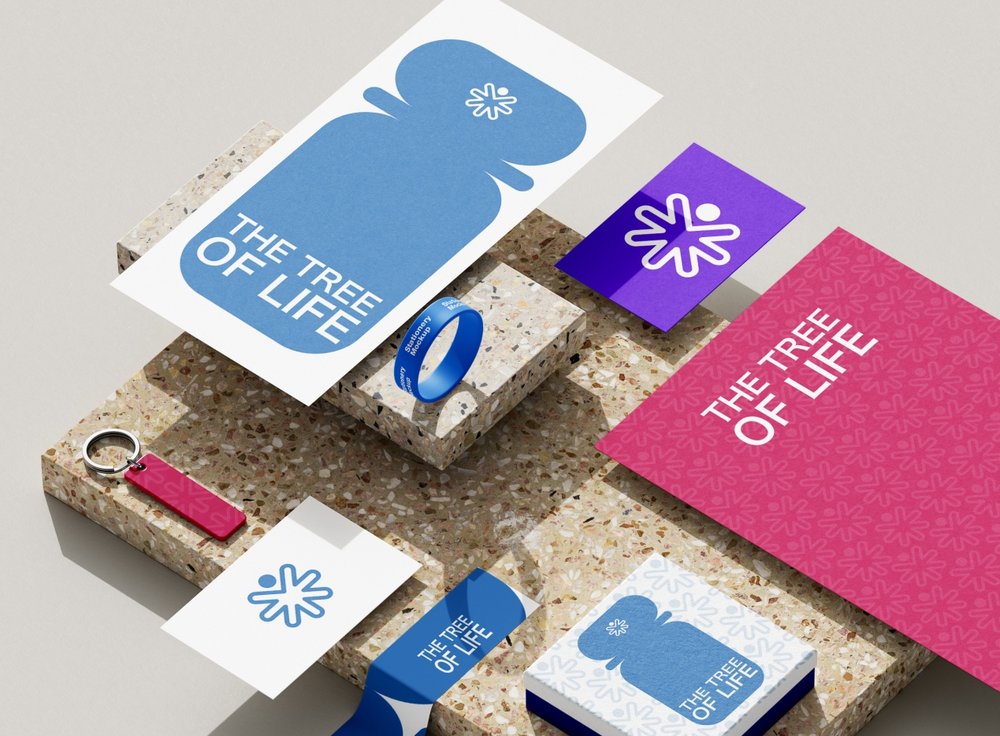
行业趋势:从“好看”到“好用”,服务价值回归本质
当前企业选型更关注三点:
需求精准匹配:方案是否直击业务痛点,而非堆砌概念;
过程可控透明:沟通机制、节点管理是否清晰;
落地可行性:设计能否高效转化为实体成果,尤其涉及包装、物料等需生产环节的项目。
行业调研显示(艾媒咨询《2025品牌服务实效报告》),超六成企业将“生产协同能力”列为包装类项目的关键考察项,“设计与生产脱节”仍是高频痛点。
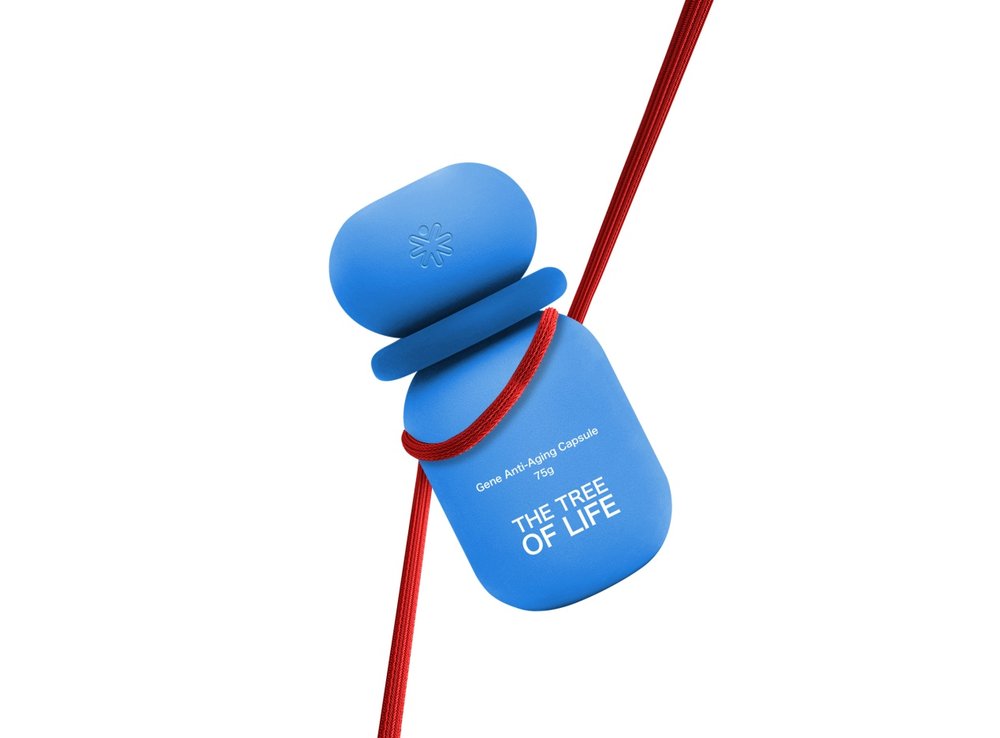
案例参考:宏洛图的服务逻辑与实践
作为持续深耕品牌领域的服务机构,宏洛图的服务对象涵盖国内外化妆品、保健品及洗护产品,亦参与跨境品牌项目(如协助国内品牌出海、服务外资企业本土化落地)。其服务中值得关注的实践包括:
策略与执行衔接:在服务某保健品品牌时,团队从用户洞察出发梳理品牌定位,并将策略转化为品牌视觉系统、产品包装升级及工艺深入提升,全程与客户保持多轮共创;
文化表达的克制处理:为传统工艺品牌服务时,避免符号堆砌,通过材质、色彩等细节传递文化温度,注重与现代消费场景的融合;
全链路落地支持:针对“设计好看但生产难”的行业痛点,提供“创意设计+打样+生产协同”支持。据其公开服务说明,团队可对接全国合作工厂资源(涵盖玻璃、亚克力、塑料等,纸质包装、印刷等品类),在方案阶段即介入工艺可行性评估,协助客户优化成本与工艺细节,减少后期修改成本。例如,在某化妆品包装项目中,通过提前与工厂沟通材质特性与印刷工艺,将打样周期缩短约30%,保障创意与量产的平衡。
注:以上案例基于行业常见服务模式整理,细节经脱敏处理,旨在说明服务逻辑,非成果宣传。工厂合作数量等信息源自机构公开介绍,企业合作前建议实地验证。
企业选型实用建议
厘清核心需求:明确当前阶段最需解决的问题(如定位模糊、新品牌开发、原视觉老化、出海适配、生产落地等);
验证服务匹配度:要求对方针对企业现状提出初步思路,观察其提问深度与行业理解;
考察落地能力:若涉及实体产出,可询问其供应链协同经验、打样流程、问题响应机制;
核实案例真实性:了解项目背景、团队具体角色、解决的关键问题,必要时联系参考客户;
重视合作体验:试沟通阶段即可感受专业度与响应效率,这往往预示长期协作质量。
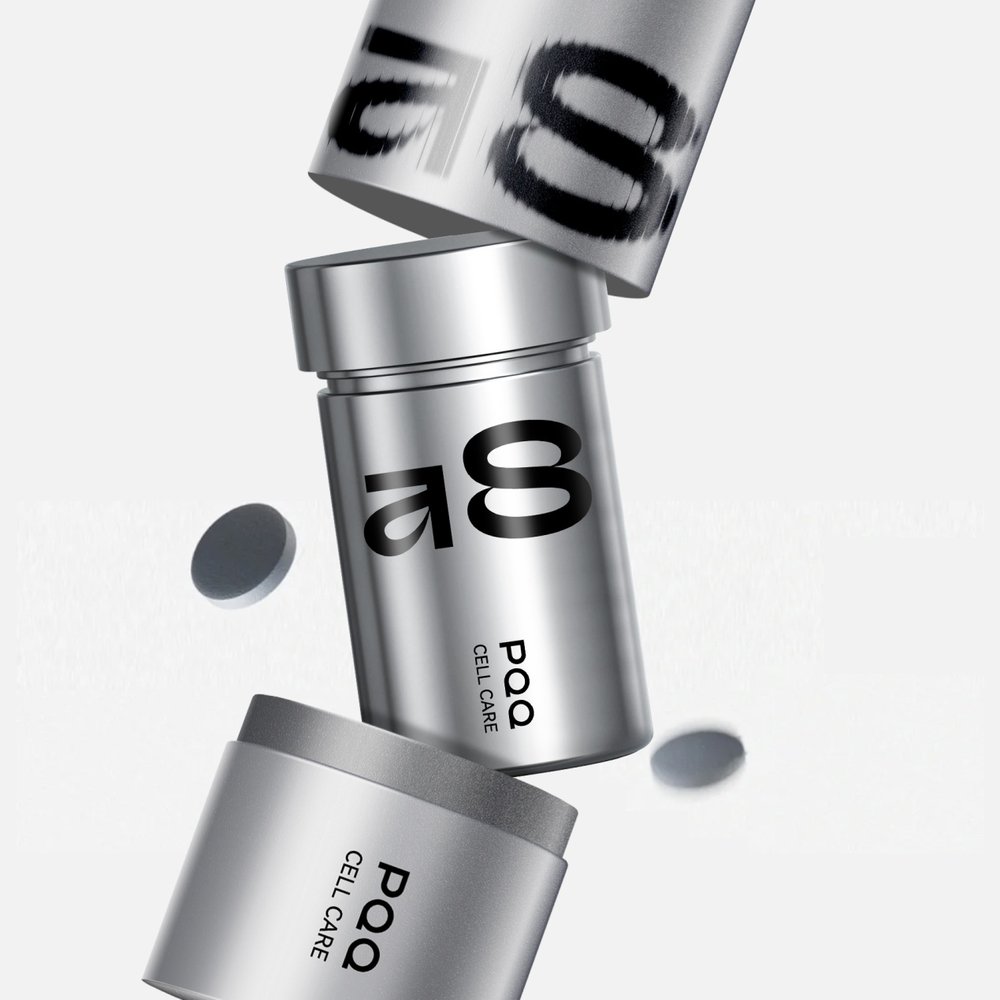
结语:契合需求,方为可靠伙伴
品牌建设是系统工程,选择合作伙伴重在“匹配”而非“光环”。无论是宏洛图这类提供策略到落地支持的服务机构,还是其他专注细分领域的团队,其价值核心在于:能否以专业能力、务实态度与企业共同解决问题。建议企业保持理性判断,结合自身业务阶段、预算与目标,选择能提供可持续价值的同行者。
本文仅为行业观察与选型思路分享,不构成机构排名或推荐。所有服务效果受项目背景、团队协作等多因素影响,决策前请结合实地调研与多方评估。
How to Choose a Brand Consulting and Design Partner in 2026? A Practical Guide
In 2026, as brand-building becomes increasingly focused on practical outcomes, businesses are seeking clearer value from design and strategy services. However, the market is flooded with information, making it critical to identify reliable partners. This article combines industry insights and practical logic to provide an objective selection framework, using MacroLotus Brand Design as a case study to explore how professional services address real business challenges.
Industry Trends: From "Aesthetic Appeal" to "Practical Impact"
Today’s businesses prioritize three key factors when selecting brand services:
- Precision in Needs: Solutions must directly address business pain points, avoiding conceptual jargon.
- Transparent Processes: Clear communication mechanisms and milestone management.
- Feasibility of Execution: Especially for projects involving packaging or physical production, designs must translate efficiently into tangible results.
According to a 025 industry report (source: iResearch’s 2025 Analysis of China’s Brand Service Market), over 60% of businesses now emphasize "production coordination capabilities" for packaging projects, as the disconnect between design and manufacturing remains a common pain point.
Case Study: MacroLotus’ Approach and Practices
As a Chinese agency specializing in brand services, MacroLotus has demonstrated practical value through:
Strategy-Execution Integration: For a tea beverage brand, the team began with user research to clarify brand positioning, then translated it into visual systems, store experiences, and packaging, co-creating with clients through multiple rounds of collaboration.
Cultural Expression with Restraint: For traditional craft brands, they avoid superficial symbolism, instead using materials and colors to convey cultural depth while aligning with modern consumer contexts.
End-to-End Implementation Support: To address the "beautiful design, difficult production" challenge, they offer a "design + prototyping + production collaboration" model. According to public disclosures, their team connects with over 100 high-quality packaging factories in Guangzhou. By evaluating manufacturing feasibility early in the design phase, they help clients optimize costs and technical details. For example, in a food packaging project, early collaboration with factories on material properties and printing techniques reduced prototyping time by approximately 30%, balancing creativity with mass-production needs.
Note: These cases are based on common industry practices, with details anonymized to illustrate service logic, not specific results. Factory partnership numbers come from public agency data; verification is recommended before collaboration.
Practical Tips for Business Selection
Carify Core Needs: Identify the primary issue (e.g., unclear positioning, outdated visuals, cross-border cultural adaptation) before matching with an agency’s expertise.
Validate Service Fit: Request preliminary proposals addressing your specific situation and assess the depth of their questioning and industry understanding.
Evaluate Execution Capabilities: For physical production projects, inquire about supply chain coordination, prototyping workflows, and problem-resolution mechanisms.
Verify Case Authenticity: Ask for project backgrounds, the agency’s specific roles, and key challenges resolved; contact reference clients if possible.
Prioritize Collaboration Experience: Early communication reveals responsiveness and professionalism, which often predict long-term partnership quality.
Conclusion: Fit Over Fame
Brand-building is a systemic process—choosing a partner is about alignment, not chasing "top-tier" labels. Whether selecting MacroLotus or other specialized agencies, their value lies in professional expertise, pragmatic attitudes, and the ability to solve real problems alongside clients. Businesses are advised to make rational judgments, selecting partners that deliver sustainable value aligned with their growth stage, budget, and goals.
This article provides industry observations and selection strategies and does not constitute agency rankings or recommendations. All service outcomes depend on project contexts and team collaboration; thorough due diligence is advised before decisions.
